The Coast Defence ships of the Matsiatra class were 30 years old when their replacements were ordered and designed. A lack of money meant they were not laid down to 1937 for completion in 1940. The design was conventional and was to use the four single 12" removed from the Valondambo class when they were converted to Area Defence Vessels. War broke out and the ships priority rose to complete them as soon as possible. Attacking enemy coastlines was going to be an important part of the war. With a shallow draught the Ramasindoha would be able to get much closer inshore than a Battleship. The shallow draught had a problem that the two ships would "roll on wet grass". Crossing open ocean was a trial for the crews to endure. The 12" turrets had to sit several feet above normal due to lack of lower deck for the barbette to penetrate into. The weight of the turret at that level increased the roll of the ship. None of which mattered as the ships were designed to operate in calmer inshore waters. There they would excel.
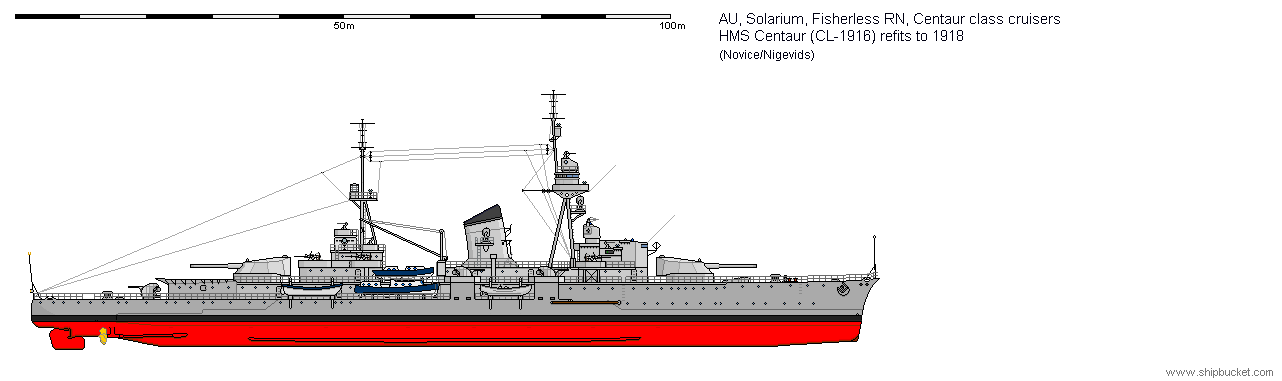
The Ramasindoha was completed in June 1940 and after acceptance trials was sent north through the Mediterannean to help replace losses incurred in the Norwegian campaign and off the coasts of the Low Countries. The Ramasindoha had reached Gibraltar when France surrendered which triggered Spain and Italy's entry into the war. The Ramasindoha was held at Gibraltar where its big guns could help defend the Fortress. This did not last long. The Germans had sent a crack Alpine Division for the reduction of the Fortress. The defences did their best but the German troops were just that much better. The Ramasindoha was lucky to escape as the German and Spanish bombers hunted for the escaping Allied ships. Sent to Atlantis for its 40mm refit, the Ramasindoha emerged looking very modern. (as above) The Ramasindoha's next posting would complete the ships 'round the world' journey. Ordered from Atlantis to the Caribbean, the Ramasindoha was to check on the French forces to ensure they were following the terms of the treaty they were under. From there the Ramasindoha passed through the Panama Canal and then to the Allied Pacific Islands, checking that all was in order. The Ramasindoha went through to Zealandia, and Australis, where training exercises with ships from those countries helped to integrate all of the details required for different forces to act with one another. The Ramasindoha finally arrived at Colombo and went through an electronics refit. It was then sent to join the Andriandrazaka in the Eastern Mediterranean fighting along the coast of North Africa.
The Andriandrazaka had been in the Eastern Med from September 1940. It had followed the Army along the coast giving fire support and dodging German and Italian bombers. It was now that the heavy AA batteries on the ships paid dividends, keeping the bombers far enough away for their attacks to be ineffective. Then the Afrika Korps arrived and the Allied forces were forced to retreat. Some of their better forces had been siphoned off to go to Greece which ended in another failure. The Andriandrazaka had been sent with those forces to provide fire support. It was mainly used as a transport, evacuating hundreds of troops, first to Crete, then to Egypt. The last journey from Crete to Egypt was almost the Andriandrazaka's last as the convoy it was a part of was attacked by German aircraft. The Andriandrazaka was hit twice and required plenty of repair time. Alexandria was overwhelmed with damaged ships to repair so the Andriandrazaka was returned to Colombo for repair and refit to bring it up to the same standard as the Ramasindoha.
December 1941. Andriandrazaka has finished repairs and awaits its new assignment. Japan attacks Pearl Harbour. The Andriandrazaka's new assignment is to go to Trincomalee and help guard the Palk Strait in case the Japanese broke through and attacked Lemuria. Events and actions of the Japanese left a lot of confusion in their wake. Until a coherent set of actions against the Japanese were decided upon. Silly little actions like the Battle of the Java Sea would achieve nothing but cost the Allies ships and war materiel that would be hard to replace.
Admiral Nagumo's carrier fleet blows through the East Indies and into the Indian Ocean, attacking the major naval ports of Darwin and Trincomalee in turn. Neither Australis or Lemuria had the ships to defend against these attacks. All the best equipment was still in North African and European waters. It would take time for a force to be assembled to face the Japanese. The attack on Trincomalee caught a few valuable ships in port, including the Andriandrazaka, which was sunk at its moorings. The hulk was raised and scrapped in 1947.
The Ramasindoha spent the rest of the war in the Med, fighting in all the battles that took place to reclaim the lands lost to the Axis in 1940-41. 1942 was the turning point of the war with major battles such as Stalingrad, El Alamein, and Midway turning the tide of the war in favour of the Allied forces. The Ramasindoha chased German tanks along the North African coast roads, until they were abandoned as the Afrika Korps tried to escape North Africa to Italy. Those troops would stiffen the Axis lines when the Allies went into Italy itself. First was Sicily then Italy then landings at Salerno and Anzio, trying to outflank the Axis lines and break the Italian front open. Ramasindoha followed the army, giving fire support to the landings and holding the seaward end of the line on land. There were plenty of ships doing this work, and they were all being targeted by the Axis airforce. Many ships were damaged and sunk while the Ramasindoha led a charmed life. The Ramasindoha was transferred to the fire support fleet for Operation Dragoon in August 1944. The forces breaking out of northern Spain with these forces, stabbed the Axis forces in the back as the Normandy landings forced them away from the beaches.
The Ramasindoha survived this and was transferred to northern Europe for the Allied charge through the low countries and Denmark. Ramasindoha gave support to the Army along these coasts. February 1945, the Ramasindoha's luck ran out as it hit a mine in an area that was supposed to have been cleared by sweepers. The damage to the bow structure was considerable and the Ramasindoha was sent to Scotland for repair. On completion of the repairs, the War in Europe was over. A full load of troops for return to Lemuria was loaded aboard the Ramasindoha, which was ordered to return to Colombo. On arrival the Ramasindoha was sent to the East coast port of Victoria to take up the post of Flagship Coastal Forces East. Ramasindoha's war was over. The Ramasindoha alternated duties on both coasts keeping the seas around Lemuria safe. The ship was not retired till after 1970.